 admin
admin 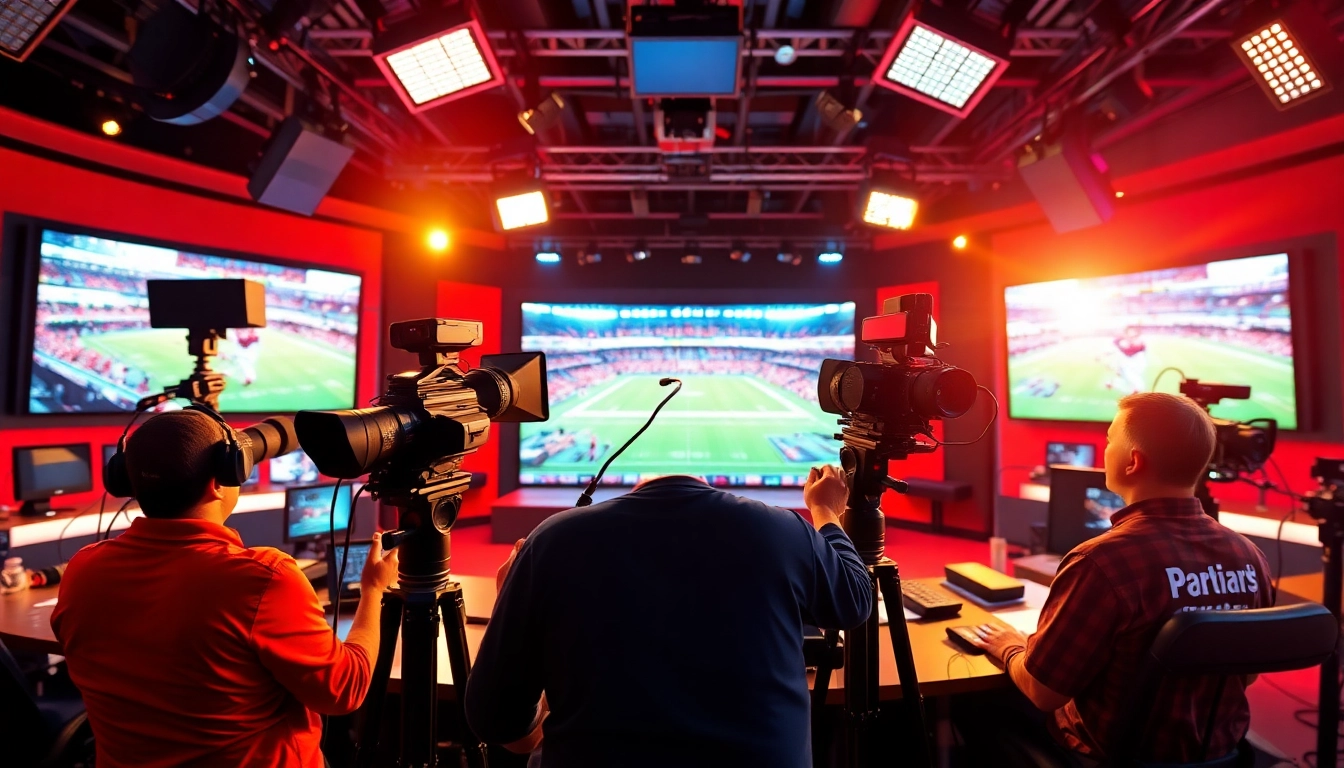
Understanding the Basics of Sports Broadcasting
Defining Sports Broadcasting
Sports broadcasting involves delivering live commentary, analysis, and coverage of sporting events through various media platforms. The evolution of Sports Broadcasting has been driven by various factors including technological advancements, audience preferences, and the globalization of sports. This field serves a dual purpose: to entertain and to inform. Broadcasters do not just provide play-by-play commentary; they enhance the viewer’s experience by delivering insights, background information, and exciting narratives surrounding the events. The amalgamation of storytelling elements with real-time reporting creates a powerful medium that captivates audiences across different demographics.
The Role of Technology in Sports Broadcasting
Technology plays a pivotal role in enhancing the quality and accessibility of sports broadcasting. From the initial live feeds to the polished final presentation, technology impacts every aspect of the broadcasting process. Cameras with advanced imaging capabilities, high-definition broadcasting, and 4K streaming are just a few examples. Additionally, digital graphics tools can create animated replays and statistical overlays that enrich the viewing experience. Moreover, broadcasting software allows for seamless integration of various media, aligning video, audio, and graphical elements for smoother viewer experiences.
Key Formats in Sports Broadcasting
Sports broadcasting comes in various formats, including live telecasts, highlights shows, podcasts, and dedicated sports networks. Live telecasts are the most traditional format, delivering real-time action to viewers worldwide. Highlights shows summarize the most exciting moments of games and events, appealing to fans who cannot watch live. Podcasts offer in-depth analysis and expert discussions, while dedicated sports networks create often 24/7 coverage of specific sports, teams, or events. Choosing the right format is key to engaging target audiences and meeting their preferences for content delivery.
Essential Skills for Aspiring Sports Broadcasters
Communication Skills in Sports Broadcasting
Communication is at the heart of sports broadcasting. Whether through verbal commentary, written reports, or digital interaction, a broadcaster’s ability to convey information clearly and compellingly is essential. Effective sports broadcasters are skilled at articulating their thoughts quickly and engagingly, especially in high-pressure environments. They also utilize non-verbal communication techniques, such as tone and body language, to convey emotions and enhance storytelling.
Research and Preparation Techniques
Preparation is critical in sports broadcasting. Broadcasters must research teams, players, statistics, historical context, and relevant news before any event. This foundational knowledge enables them to provide thoughtful insights and informed commentary during broadcasts. Techniques can include reviewing game footage, accessing statistical databases, and reading team updates. Many broadcasters also find it helpful to interview players and coaches to gain unique perspectives to share with audiences.
Narrative Crafting for Sports Stories
Creating compelling narratives is crucial in sports broadcasting. Broadcasters must weave statistics, player profiles, and storylines into a cohesive narrative that keeps viewers engaged. This involves not only reporting the score but also providing context behind each play — the significance of a key player’s performance or a team’s journey throughout the season. A well-crafted narrative can transform a routine match into an unforgettable story, resonating with viewers on a personal level.
Effective Strategies for Engaging Audiences
Utilizing Social Media for Sports Broadcasting
Social media is an indispensable tool for sports broadcasters aiming to engage with their audience. Platforms like Twitter, Instagram, and Facebook allow broadcasters to share real-time updates, behind-the-scenes content, and interact with viewers on a personal level. The interactivity of social media fosters a community among fans, encouraging discussions that extend beyond the broadcast itself. To maximize effectiveness, broadcasters should create content that encourages audience participation, such as polls, Q&A sessions, and live chats during events.
Interactive Elements in Sports Broadcasting
Incorporating interactive elements into broadcasts can significantly enhance viewer engagement. Technologies such as augmented reality (AR) and virtual reality (VR) create immersive experiences that allow fans to analyze plays and statistics from unique angles. Moreover, features like interactive graphics and real-time voting on decisions during broadcasts create an engaging viewer experience, enabling them to feel more involved in the action. Enhancing broadcasts with these elements also positions broadcasters at the forefront of technological innovation in the industry.
Building a Community Around Sports Coverage
Fostering a community around sports coverage involves creating a space where fans can connect and interact with each other and the broadcaster. This can be achieved through forums, fan meet-ups, and participation in community events. Regularly engaging with the audience through comments, shout-outs, and fan features helps reinforce a sense of belonging and loyalty. Broadcasters can also boost community engagement by incorporating fan-generated content into their broadcasts, making them feel more connected to the larger narrative.
Challenges Facing Sports Broadcasters Today
Adapting to Changing Media Landscapes
The landscape of media consumption is constantly evolving, presenting challenges for sports broadcasters. As viewers increasingly shift to streaming services and mobile platforms, traditional broadcasting methods may struggle to retain audiences. Broadcasters must adapt by embracing new technologies and distribution methods, including creating content for streaming platforms and utilizing mobile-friendly formats. Continuous learning and agility in adopting these changes are essential for staying relevant in an increasingly competitive environment.
Overcoming Technical Difficulties
Technical challenges can pose significant barriers during live broadcasts. These can include equipment failures, poor connectivity, and software glitches. Broadcasters must be prepared to react swiftly and efficiently to resolve issues, often implementing backup solutions to minimize disruptions. Training staff on technical protocols, conducting regular equipment checks, and developing contingency plans are essential steps broadcasters can take to mitigate these risks.
Maintaining Viewer Interest and Engagement
With so many entertainment options available, retaining viewer interest and engagement is vital for sports broadcasters. This requires ongoing innovation in content delivery and interaction techniques. Broadcasters should constantly evaluate audience feedback and utilize analytics to determine what content resonates best. Leveraging storytelling techniques, unique features, and exclusive insights can help broadcasters stand out, keeping audiences glued to their screens.
Measuring Success in Sports Broadcasting
Analyzing Audience Metrics
Success in sports broadcasting can be quantified through various audience metrics, including viewership ratings, social media engagement, and market reach. Metrics such as average view duration and peak viewer counts provide insights into audience preferences and behaviors. Sophisticated tools can aggregate this data, enabling broadcasters to refine their strategies to enhance performance continually. Understanding these metrics is critical for tailoring broadcasts to audience needs, ensuring sustainable growth.
Feedback Loops from Viewers
Establishing feedback loops with viewers helps broadcasters gain insights directly from their audience. This can be achieved through surveys, audience polls, and monitoring social media conversations. Regularly seeking feedback demonstrates to audiences that their opinions matter, encouraging ongoing engagement. Broadcasters who actively listen to their audience can make informed improvements that align with viewer expectations, driving loyalty and satisfaction.
Innovative Practices to Boost Engagement
Enriching sports broadcasts with innovative practices can significantly boost engagement levels. Incorporating gamification elements, such as contests, quizzes, and fantasy sports integrations can actively involve viewers and keep them engaged. Additionally, hosting expert discussions and offering audience participation options enhances the interactive nature of broadcasts. Continuous experimentation with new formats and content types can help capture and retain audience interest.
FAQs
What is sports broadcasting?
Sports broadcasting involves delivering live commentary, analysis, and coverage of sporting events through various media platforms.
What skills are essential for a sports broadcaster?
Key skills include strong communication, research abilities, and effective storytelling to engage and inform audiences.
How can I improve my sports broadcasting skills?
Practice speaking on-air, study successful broadcasters, and stay informed about current sports events and trends.
What technology is used in sports broadcasting?
Technologies include cameras, microphones, editing software, and streaming equipment to deliver high-quality content.
How do I measure success in sports broadcasting?
Success can be measured through viewer metrics, audience engagement levels, and feedback received from the audience.