Overview of the Everest Base Camp Trek
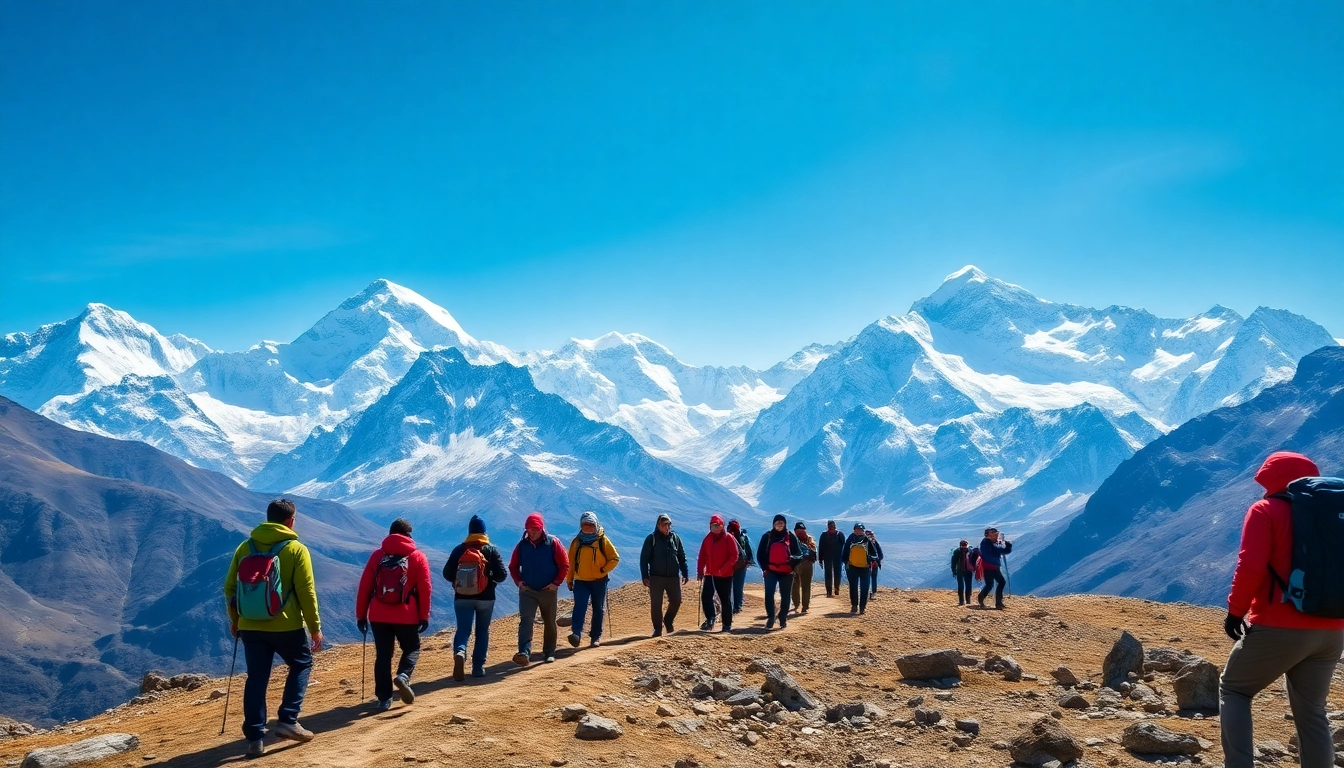
The Everest Base Camp Trek (EBC) is not merely a journey; it is a rite of passage for adventure seekers and nature enthusiasts alike. Nestled in the heart of the majestic Himalayas, this iconic trek takes you to an altitude of 5,364 meters (17,598 feet), offering breathtaking views of some of the world’s tallest peaks and rich insights into the vibrant Sherpa culture. With its well-defined trails, friendly local communities, and stunning landscapes, the EBC trek has become a bucket-list item for many. Whether you’re an experienced trekker or a beginner, the undertaking promises an unforgettable experience full of adventure, beauty, and discovery. To explore various options for this thrilling trek, the Everest Base Camp Trek offers comprehensive insights and packages tailored to different preferences.
Introduction to the Everest Base Camp Trek
The Everest Base Camp Trek is one of the most renowned trekking routes in the world. It provides not only a physical challenge but also a chance to connect deeply with nature and the unique culture of the Sherpa people. Originating from Lukla – the starting point after a scenic flight from Kathmandu – the trek leads trekkers through picturesque villages, ancient monasteries, and lush forests adorned with unique wildlife.
Historical Significance and Cultural Insights
The Everest Base Camp area is steeped in history, with many adventurers and climbers having charted its paths. The trek itself serves as a historical timeline, illustrating the evolution of mountaineering and the significant contributions of the Sherpa community to the climbing culture. Along the way, trekkers have the opportunity to visit significant cultural sites, such as the Tengboche Monastery, the largest of its kind in the region, which is a beacon of Sherpa Buddhism and culture.
Key Highlights of the Trek
- Stunning views of Mt. Everest and surrounding peaks
- Experience the vibrant culture of the Sherpa people
- Visit historical monasteries and ancient villages
- Acclimatization days to allow a gradual ascent
- Explore the Khumbu Glacier and Icefall
Preparing for Your Trek
Preparation is key to a successful journey to Everest Base Camp. Whether you are a seasoned adventurer or a novice, understanding the requirements and essentials can greatly enhance your experience.
Physical Fitness Requirements
Tackling the Everest Base Camp trek requires a reasonable level of physical fitness. Trekkers should engage in regular cardiovascular exercises and strength training to build stamina. Hiking regularly on inclines, jogging, and cycling can be especially beneficial. Preparing your body for long days of hiking at high elevations is crucial to avoid altitude sickness and to ensure you can enjoy the stunning landscapes.
Essential Gear and Packing List
A well-planned packing list is essential for a successful adventure. Key items to include are:
- Durable trekking boots
- Warm layers of clothing
- Rain gear
- Sunscreen and sunglasses
- First-aid kit including altitude sickness medication
- Water purification tools
Health and Safety Precautions
Health and safety are paramount during the trek. It’s advisable to consult with a physician before the trek, especially for vaccinations and medications for altitude sickness. During the trek, acclimatization days are necessary to allow your body to adjust to the altitude. Stay hydrated and listen to your body’s signals throughout the journey.
Itinerary for the Everest Base Camp Trek
Day-by-Day Breakdown
The 14-day itinerary for the Everest Base Camp Trek immerses trekkers in the beauty of the Khumbu region. It includes a blend of trekking, acclimatization, and cultural exploration:
- Day 1: Arrival in Kathmandu and transfer to hotel.
- Day 2: Fly to Lukla and trek to Phakding.
- Day 3: Trek to Namche Bazaar.
- Day 4: Acclimatization at Namche; hike to Hotel Everest View.
- Day 5: Trek to Tengboche.
- Day 6: Trek to Dingboche.
- Day 7: Acclimatization; hike to Nangkartsang Peak.
- Day 8: Trek to Lobuche.
- Day 9: Trek to Everest Base Camp and back to Gorak Shep.
- Day 10: Hike to Kala Patthar and descend to Pheriche.
- Day 11: Trek to Namche Bazaar.
- Day 12: Trek to Lukla.
- Day 13: Fly back to Kathmandu.
- Day 14: Transfer to the airport for departure.
Acclimatization Days Importance
Acclimatization is crucial to avoid altitude sickness, which can affect anyone, regardless of fitness level. Taking time to ascend gradually – with designated acclimatization days built into the itinerary – allows your body to adjust to lower oxygen levels and increases your chances of successfully completing the trek.
Optional Side Trips and Excursions
Trekkers may also choose to explore optional side trips during their acclimatization days, such as visiting the beautiful Gokyo Lakes or exploring the remote areas of the Khumbu region. These excursions provide a unique glimpse into the natural beauty and cultural richness of the area.
Understanding Costs and Inclusions
Budgeting for the Everest Base Camp Trek
Planning your budget for the Everest Base Camp trek is essential. Although costs can vary based on various factors, a typical budget should cover accommodation, meals, permits, and guide services. Expect to budget approximately $1,650 for the standard trek package, which offers a comprehensive experience without compromising quality.
What’s Included in Your Trek Package?
Your trek package generally includes the following:
- Accommodation in teahouses along the trek
- All meals during the trek
- Domestic flights and airport transfers
- Trekking permits
- Professional local guides and porters
Additional Costs to Consider
While the package may cover many costs, additional expenses might include:
- Snacks and bottled drinks
- Personal gear rentals
- Tips for guides and porters
- Optional side trips and excursions
It’s advisable to carry extra cash for these expenses, as ATMs are not widely available on the trek.
FAQs and Additional Information
Common Concerns and Misconceptions
Many aspiring trekkers have questions and concerns about the Everest Base Camp trek. Some common misconceptions include the belief that only experienced trekkers can undertake the journey. In reality, with the right preparation and physical fitness, even beginners can enjoy this incredible adventure.
Travel Guide Recommendations
When planning your trip, consider reading travel guides or articles focused on Everest trekking to gain insights into the best practices for preparation, safety, and cultural etiquette. This knowledge can significantly enhance your experience.
Future Trends in Trekking in Nepal
Trekking in Nepal continues to evolve, with a growing emphasis on sustainable practices, cultural sensitivity, and environmental preservation. As the tourism industry adapts, trekkers are encouraged to support local communities and mitigate the environmental impact of their adventures.