Understanding Soft Wash: What Sets It Apart
Soft washing is an innovative cleaning technique that is gaining popularity among homeowners and businesses alike. Unlike traditional pressure washing, soft washing utilizes low-pressure water to safely clean roofs, siding, and other delicate surfaces without causing damage. This method effectively removes unsightly elements like mold, algae, and grime while preserving the integrity of your property’s surfaces. When exploring options, soft wash provides comprehensive insights into suitable techniques tailored to your needs.
Definition and Purpose of Soft Washing
Soft washing is defined as a cleaning process that employs low-pressure water combined with specialized biodegradable cleaning solutions. This technique is particularly effective for surfaces that can be easily damaged by high-pressure washing, such as roofs, painted surfaces, and intricate architectural details. The primary purpose of soft washing is to clean and restore surfaces to their original condition while minimizing any risk of damage.
How Soft Wash Differs from Traditional Pressure Washing
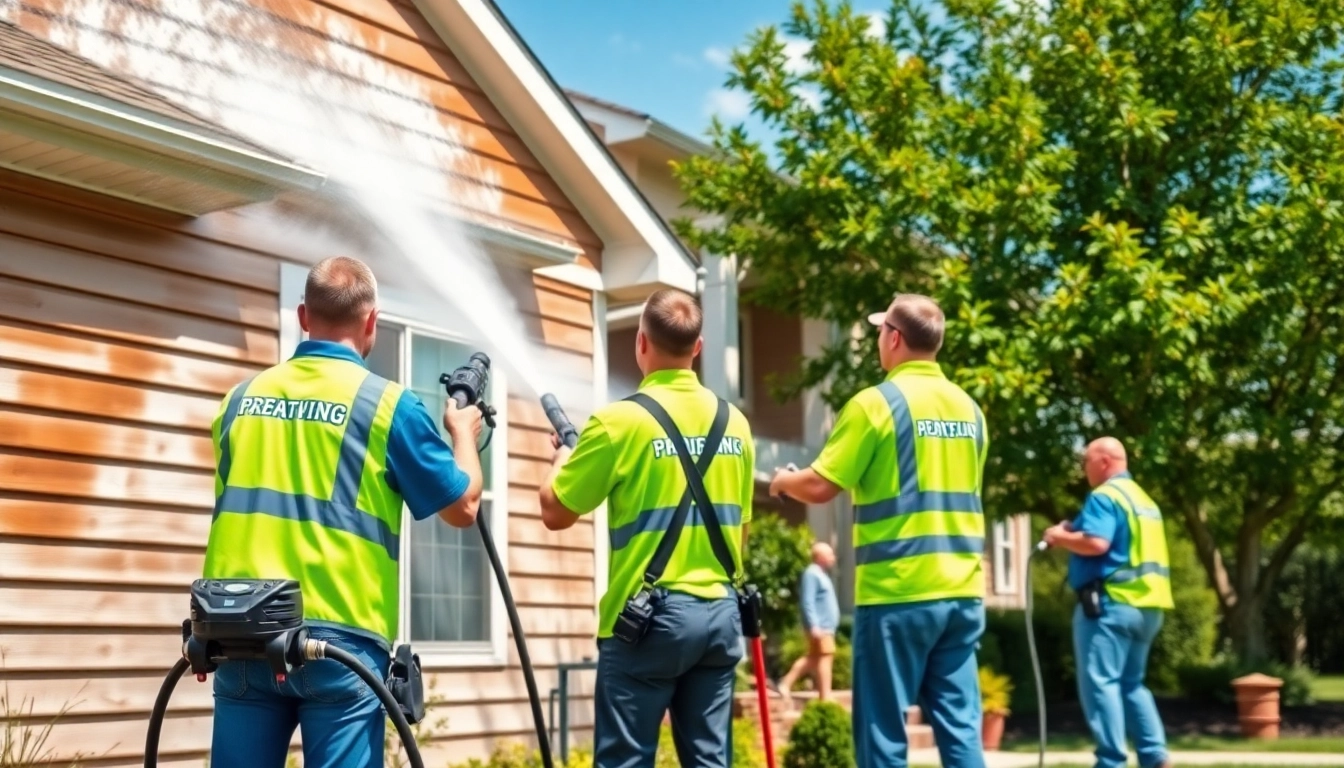
The key difference between soft washing and traditional pressure washing lies in the pressure and methods used. Traditional pressure washing relies on high-pressure water jets to remove dirt and stains, which can lead to potential damage on sensitive surfaces. In contrast, soft washing uses a gentle flow of water, allowing cleaning agents to break down contaminants effectively without exerting harmful pressure. This makes soft washing particularly suitable for:
- Roofs: Prevents shingles from lifting or breaking.
- Wood siding: Reduces the risk of splintering.
- Windows: Minimizes potential for shattering or etching.
Benefits of Choosing Soft Wash for Your Home
Opting for a soft wash has numerous advantages, especially for homeowners wanting to maintain the aesthetic and structural integrity of their property. Some key benefits include:
- Long-lasting Results: Soft washing typically lasts longer than traditional washing because it targets the root of mold and algae growth.
- Eco-Friendly: The biodegradable solutions used in soft washing are safer for the environment and reduce chemical runoff.
- Cost-Effective: Preventing damage to surfaces reduces the need for costly repairs or replacements in the long run.
Essential Equipment for Effective Soft Washing
Overview of Soft Wash Systems and Components
To perform an effective soft wash, specific equipment and components are necessary. A typical soft wash system includes:
- Low-Pressure Pump: Operates at a lower PSI than traditional pressure washers, usually between 40-80 PSI.
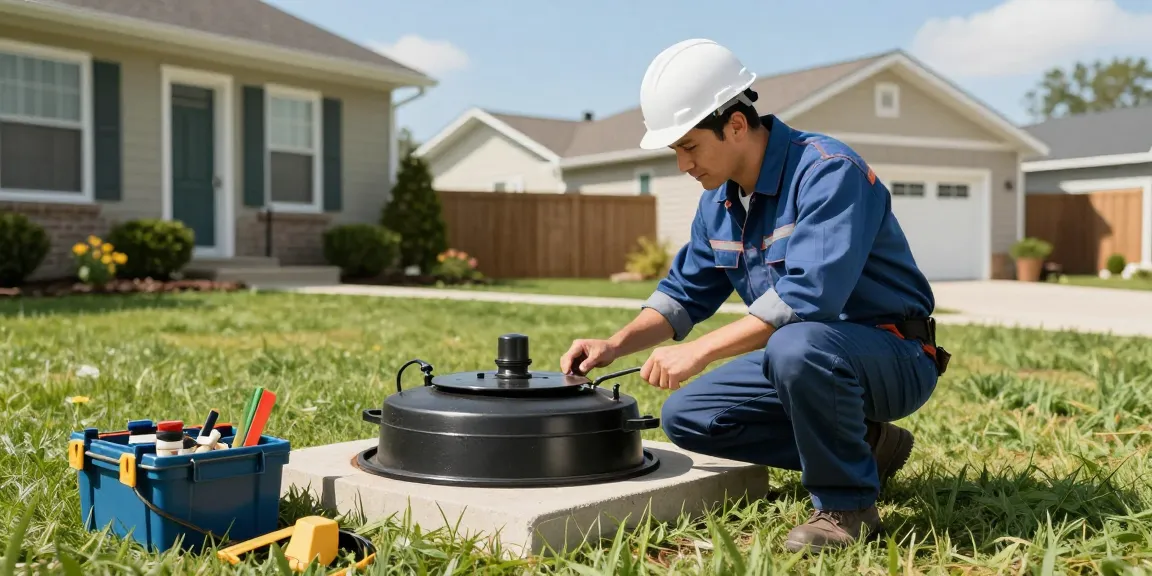
- Holding Tank: Stores cleaning solutions and water, allowing for easy transportation and application.
- Specialized Nozzles: Designed to disperse cleaning agents evenly while maintaining low pressure.
Choosing the Right Cleaning Solutions and Agents
Selecting the appropriate cleaning agents is crucial for effective soft washing. Look for biodegradable solutions specifically formulated for the surfaces being cleaned. Common ingredients include:
- Bleach: Helps kill mold and mildew.
- Surfactants: Break down dirt and debris.
- Algaecides: Prevent algae growth on roofs and siding.
Maintenance Tips for Soft Wash Equipment
Proper maintenance of soft wash equipment ensures longevity and effective performance. Here are some essential tips:
- Regularly inspect hoses and connections for leaks.
- Clean filters after each use to maintain optimal flow.
- Store cleaning agents in a cool, dry place to preserve their effectiveness.
Step-by-Step Guide to Soft Washing Your Home
Preparing Your Home for a Soft Wash
Preparation is key to achieving the best results from your soft wash. Begin by:
- Removing any outdoor furniture and decorations that could obstruct the wash.
- Covering plants and sensitive areas with plastic sheeting to protect them from cleaning solutions.
- Checking for any repairs needed on surfaces to prevent further damage during cleaning.
Executing the Soft Wash: Techniques and Best Practices
Once your home is prepared, follow these steps for an effective soft wash:
- Fill the holding tank with water and the appropriate cleaning solution.
- Using the low-pressure nozzle, start from the top of the surface and work your way down.
- Allow the cleaning solution to sit for the recommended time for maximum effectiveness.
- Rinse the area thoroughly with fresh water to remove any remaining cleaning agents.
Post-Wash Care and Maintenance for Long-Lasting Results
After completing the soft wash, there are several maintenance steps homeowners should follow:
- Inspect the surfaces for any missed spots and clean if necessary.
- Consider applying protective coatings to prevent future growth of mold and algae.
- Schedule regular soft washing every 1-2 years for continued maintenance.
Common Mistakes and Misconceptions about Soft Washing
Debunking Myths Surrounding Soft Wash Effectiveness
Many homeowners may harbor misconceptions about soft washing. For instance, some believe that soft washing is ineffective compared to high-pressure washing. However, studies show that soft washing can eliminate up to 99% of contaminants, making it a superior option in many cases.
Preventing Damage During the Soft Wash Process
One of the primary concerns about soft washing is the potential for damage if not done correctly. To mitigate risk, always:
- Stick to low pressure settings.
- Use the right cleaning solutions that are safe for the specific surface type.
- Perform a spot test in a small area before undertaking the entire surface.
Understanding Soft Wash Safety for Your Home
Soft washing is generally safe; however, it is essential to consider the following:
- Ensure homeowners are aware of the cleaning solutions being used.
- Follow the manufacturer's instructions for all equipment and solutions.
- Use protective gear when handling cleaning agents, such as gloves and goggles.
Future Trends in Soft Washing for 2025 and Beyond
Emerging Technologies in Soft Wash Equipment
The landscape of soft washing is evolving with advancements in technology. Expect to see enhanced pressure washing systems that integrate smart technology, allowing for precise adjustments based on surface type and contaminants present.
Shifts in Consumer Preferences and Eco-Friendly Practices
As consumers become increasingly eco-conscious, the demand for environmentally safe solutions is on the rise. This shift will drive the adoption of biodegradable products and water-efficient practices in the soft washing industry.
Market Growth and Opportunities for Soft Wash Services
The soft washing market is projected to grow significantly as more homeowners become aware of its benefits. This presents ample opportunities for businesses offering soft washing services to expand their offerings and reach new customers.