Understanding Central Heating Leak Detection
Central heating systems are vital for maintaining warmth and comfort in our homes. However, leaks within these systems can lead to significant issues, including increased energy costs and potential damage to property. Effective central heating leak detection is essential for homeowners seeking to mitigate these risks. By understanding the nature of these leaks, their common causes, and the signs to watch for, you can take proactive measures to maintain your heating system.
What is Central Heating Leak Detection?
Central heating leak detection refers to the process of identifying leaks within a central heating system, which can include radiators, pipes, boilers, and underfloor heating components. Detecting these leaks early is critical to preventing extensive water damage, reducing energy efficiency, and avoiding costly repairs.
Common Causes of Central Heating Leaks
- Pipe Corrosion: Over time, pipes can corrode due to age or water quality, leading to leaks.
- Joint Failures: Poorly sealed connections between pipes can result in leaks, particularly under high pressure.
- Temperature Changes: Fluctuations in temperature can cause materials to expand and contract, increasing the likelihood of leaks.
- Wear and Tear: Regular use can wear out components like valves and pumps, leading to potential failures.
Signs You May Have a Leak in Your Heating System
Identifying a leak early can save you significant time and money. Here are some common signs that indicate a potential leak within your central heating system:
- Low Boiler Pressure: If your boiler's pressure drops below normal levels, this could signal a leak.
- Visible Dampness: Look for damp spots around your radiators or underfloor heating.
- Unusual Sounds: Gurgling or banging sounds may indicate trapped air or water movement due to a leak.
- Increased Energy Bills: A sudden rise in your heating costs could result from a hidden leak.
Advanced Techniques for Detecting Central Heating Leaks
With advancements in technology, various methods can now accurately detect leaks in central heating systems. These methods minimize disruption while ensuring effective results.
Utilizing Thermal Imaging Cameras
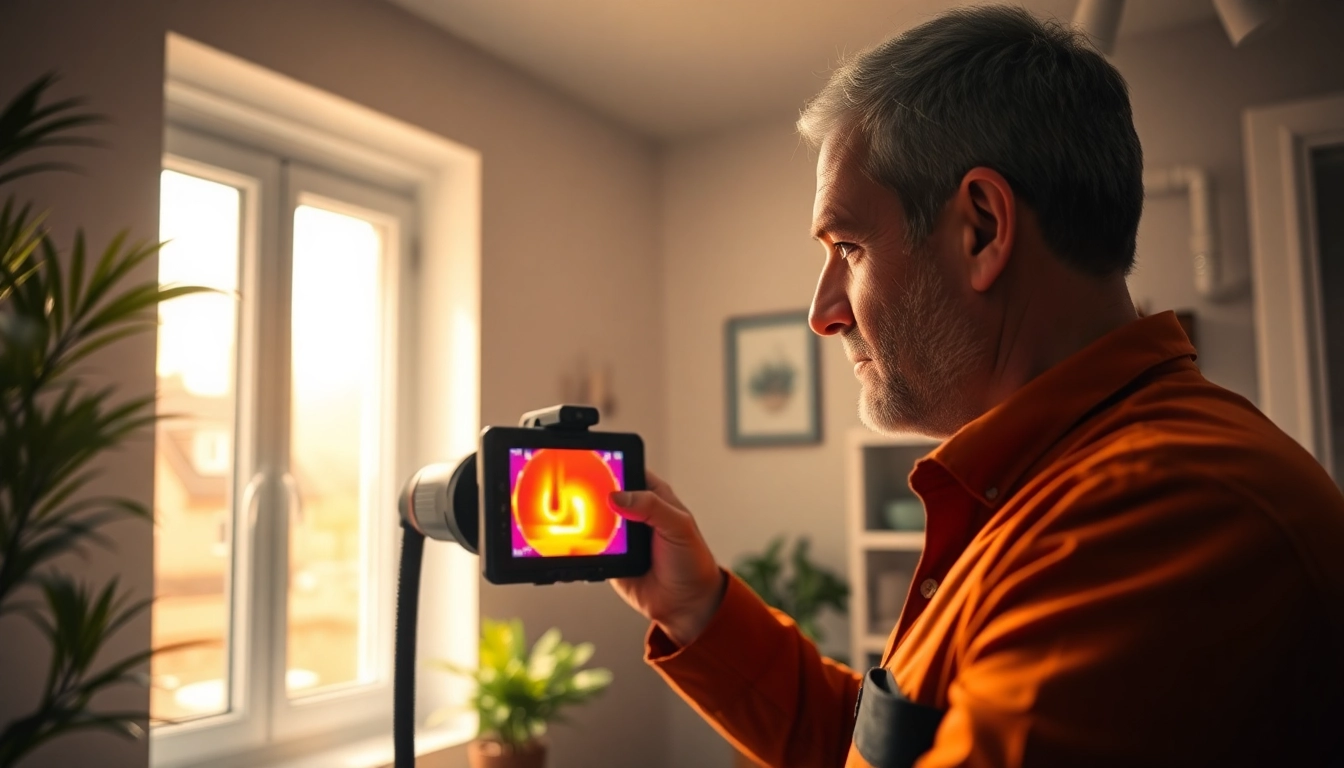
Thermal imaging cameras detect temperature variations caused by leaks, allowing technicians to visualize problem areas without invasive measures. By detecting cooler areas indicative of water leakage, this method provides a quick and effective solution for identifying leaks hidden within walls or floors.
Pressure Testing Methods Explained
Pressure testing involves isolating sections of pipework and monitoring for pressure drops. If a drop is detected, it signifies that a leak is present in that section. This method is particularly useful for confirming the locations of leaks found through other detection techniques.
The Benefits of Acoustic Listening Devices
Acoustic listening devices amplify the sounds of water escaping from pipes. This technology can be particularly useful in identifying leaks that are deep underground or concealed behind walls, ensuring that leaks are located quickly and accurately.
Non-Invasive Leak Detection Solutions
Homeowners often worry about the potential damage caused by traditional leak detection methods involving drilling or dismantling structures. Non-invasive techniques have emerged as effective solutions, providing leak detection without compromising the integrity of your home.
How Non-Destructive Techniques Work
Non-destructive testing (NDT) utilizes advanced technologies such as thermal imaging and acoustic detection to locate leaks. These methods involve minimal to no disruption, allowing homeowners to continue their daily activities while the leak is being investigated.
Advantages of Minimal Disruption in Homes
- Preserves Aesthetics: Non-invasive methods maintain the visual integrity of walls and ceilings.
- Reduces Repair Costs: By avoiding unnecessary damage, repair and restoration costs are kept to a minimum.
- Quick Turnaround: These methods can often be completed in a fraction of the time compared to traditional approaches.
Case Studies of Successful Leak Detection
Several case studies highlight the effectiveness of non-invasive leak detection methods:
- A Residential Home: In a case where a family was experiencing unexplained increases in heating bills, thermal imaging revealed a hidden leak behind a wall. The issue was resolved without any damage to the property.
- Commercial Property: A local business faced disruptions due to a leak in their heating system. Acoustic listening devices pinpointed the leak's location, allowing for quick repairs with minimal downtime.
Choosing the Right Leak Detection Service
When selecting a professional leak detection service, it's essential to consider a few key factors to ensure you're making the right choice for your home and family.
What to Look for in a Professional Service
- Certification: Ensure the technicians are certified and trained in advanced leak detection methods.
- Experience: Look for a company with a proven track record in detecting and resolving leaks effectively.
- Technology: The best services employ state-of-the-art technology to ensure accuracy and efficiency in locating leaks.
Questions to Ask Before Hiring Technicians
Before hiring a leak detection service, it's crucial to ask the right questions:
- What methods do you use for leak detection?
- Can you provide references from past clients?
- What is included in your service guarantee?
Understanding Service Guarantees and Pricing
Look for leak detection companies that offer guarantees on their work. Understanding the pricing structure, including any potential additional costs, can help you avoid unexpected expenses.
Future Trends in Leak Detection Technology
The leak detection industry is evolving rapidly, with new technologies and solutions on the horizon.
Emerging Technologies for 2025 and Beyond
As technology advances, we can expect improvements in leak detection accuracy and efficiency. Innovations such as smart sensors that monitor for leaks in real-time are on the rise, providing homeowners with immediate alerts and solutions.
Integration of Smart Home Solutions
As homes become smarter, integrating leak detection with smart home systems will allow for automated responses to detected leaks. From remote monitoring to automatic shut-offs, these systems will enhance safety and prevent damage.
Predictions for the Leak Detection Industry
The future of the leak detection industry lies in continuous innovation. As awareness of water conservation and sustainability grows, leak detection services will play an increasingly vital role in maintaining home efficiency and protecting valuable resources.