 admin
admin 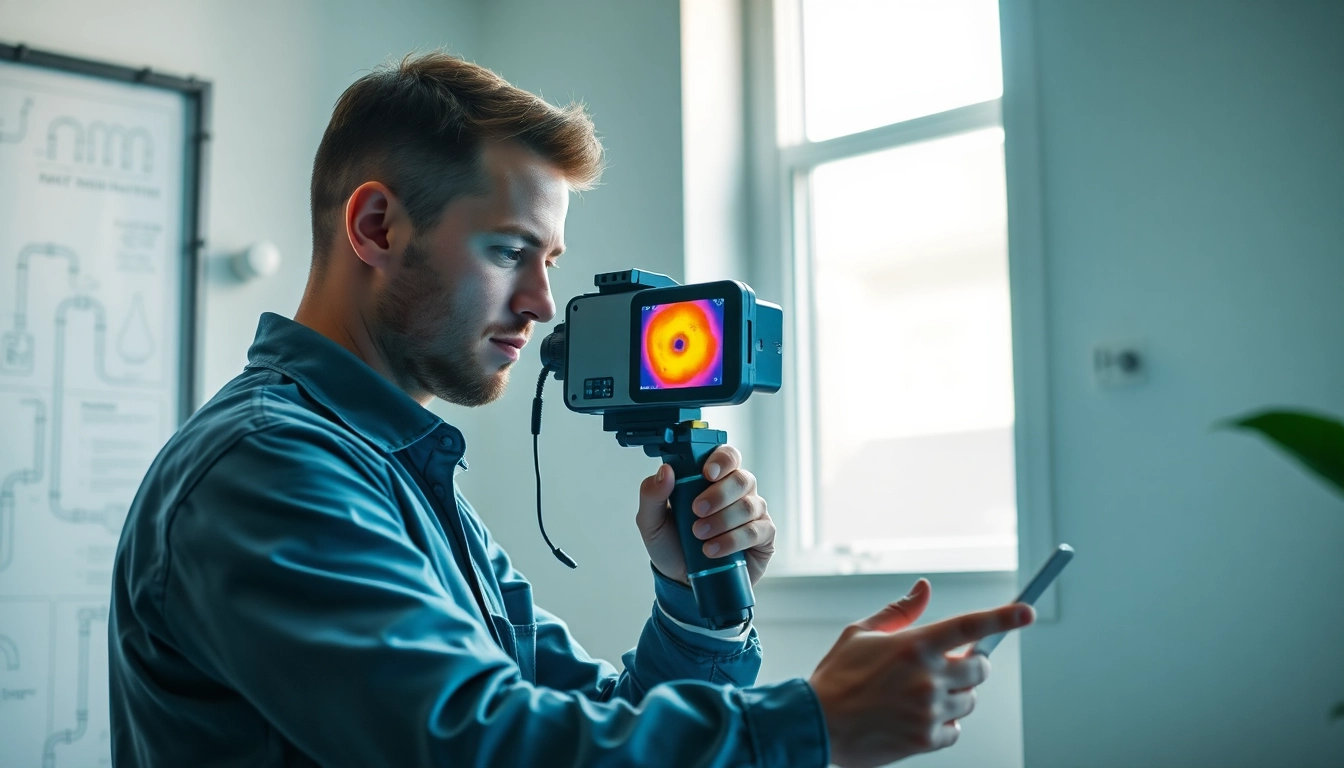
Understanding Leak Detection: The Basics
Leak detection is an essential service that homeowners often overlook until faced with the consequences of undetected leaks. These hidden issues can cause extensive damage over time, leading to costly repairs and significant property devaluation. This article will explore the fundamentals of leak detection, the technologies that make it possible, and why investing in professional services is crucial for maintaining the integrity of your home.
When exploring options, leak detection services can provide comprehensive insights into the state of your plumbing systems, ensuring you stay ahead of potential problems.
What is Leak Detection?
Leak detection refers to the process of identifying and locating leaks within a plumbing system, infrastructure, or equipment. It incorporates various techniques and technologies to pinpoint leaks quickly and effectively. The primary goal is to identify the source of water or gas leaks before they escalate into more significant issues, such as water damage, mold, or safety hazards from gas leaks.
Importance of Timely Leak Detection
Detecting leaks promptly can save homeowners substantial costs and stress. A small leak can lead to extensive damage over time, including structural issues and mold growth. Beyond the immediate costs of repair, there are also potential health risks associated with prolonged moisture exposure and the resulting toxic mold. Therefore, regular inspections and timely leak detection are essential components of responsible home maintenance.
Common Types of Leaks in Homes
Leaks can occur in various areas within a home, including:
- Water Supply Leaks: Often found in pipes, fixtures, and appliances, these leaks can lead to wet spots on floors and ceilings or increased water bills.
- Heating System Leaks: Central heating systems are vulnerable to leaks in boiler pipes, radiators, and underfloor heating.
- Gas Leaks: These are particularly dangerous and can result in explosions if not detected promptly.
Understanding the different types of leaks is crucial for effective detection and resolution.
Advanced Technologies in Leak Detection
As technology evolves, so do the methods used for leak detection. Today’s leak detection services harness cutting-edge technologies that allow for quick, non-invasive solutions.
Thermal Imaging Technologies Explained
Thermal imaging utilizes infrared cameras to detect variations in temperature that indicate the presence of moisture or leaks. This method is particularly useful for identifying hidden leaks within walls or ceilings where traditional inspection may not reveal the issue. By pinpointing temperature discrepancies, technicians can assess the extent of a leak without invasive measures.
Acoustic Listening Devices: How They Work
Acoustic listening devices use sound to detect leaks. These devices can pick up the sound of water escaping through pipes, helping locate leaks even if they are buried underground or within the walls. The technology is highly effective and often used in tandem with other methods to confirm findings.
Emerging Technologies for 2025
Looking forward, several promising technologies are set to revolutionize leak detection. Innovations such as smart sensors integrated into home plumbing systems will provide real-time monitoring and alerts to homeowners, minimizing the risk of severe leaks. Furthermore, advancements in machine learning and predictive analytics could enhance the accuracy of identifying potential leak sources before they manifest.
Benefits of Professional Leak Detection Services
Hiring a professional leak detection service offers multiple advantages over DIY methods. Experts are equipped with specialized tools and have the training necessary to detect leaks accurately and efficiently.
Non-Invasive Methods and Their Advantages
Many leak detection services use non-invasive techniques to locate leaks without causing damage to walls or floors. These methods, such as thermal imaging and acoustic detection, provide accurate results while keeping repair costs low and minimizing disruption to your home.
Cost Savings from Early Leak Detection
Addressing leaks early can result in substantial cost savings. The longer a leak continues undetected, the more significant the damage and the repair costs can become. Prompt leak detection can help prevent extensive water damage, avoiding costly renovations, mold remediation, and increased utility bills.
Expert Reports and Recommendations
Once a leak is detected, professionals provide detailed reports that outline their findings, potential risks, and recommended solutions. This documentation can be especially valuable for homeowners seeking to understand their property better or for insurance purposes.
DIY Leak Detection Techniques for Homeowners
While professional services are recommended for complex issues, homeowners can also employ simple techniques to assess their plumbing systems regularly.
Simple Methods to Identify Leaks
Homeowners can look for visible signs of leaks, such as:
- Water stains on walls or ceilings
- Unexplained puddles or damp areas on floors
- Increased water bills
Taking note of these signs can prompt proactive leak detection measures.
Tools Every Homeowner Should Have
Simple tools can assist homeowners in detecting leaks early:
- Moisture Meters: Ideal for identifying hidden water damage.
- Plumbing Snake: Useful for clearing clogged pipes that may lead to leaks.
- Water Level Indicator: Helps in monitoring water pressure and levels.
When to Call the Professionals
If you identify persistent or complex leak issues, it’s crucial to call in the professionals. Signs that indicate the need for expert intervention include:
- Multiple leaks in various locations
- Sustained high water bills without visible signs
- Signs of mold or mildew growth
Addressing these issues promptly can save time, money, and potential health risks.
Future Trends in Leak Detection
The field of leak detection is expected to evolve rapidly in the coming years, driven by technological advancements and growing environmental concerns.
Growing Importance of Smart Home Technology
Smart home technology is becoming increasingly integrated into everyday plumbing systems. Future leak detection solutions will likely involve smart sensors that automatically alert homeowners to potential leaks, enabling faster responses and minimizing damage.
Sustainability and Leak Detection Innovations
As society prioritizes sustainability, leak detection technologies will focus on minimizing water waste and improving efficiency. Innovations such as water recycling and conservation systems are expected to become commonplace, helping homeowners reduce their environmental impact.
Preparing for 2025: What Homeowners Should Know
As we approach 2025, it’s essential for homeowners to stay informed about emerging trends in leak detection. Understanding how new technologies work and their benefits can empower homeowners to protect their investments. Regular maintenance and inspections, coupled with an awareness of the latest advancements, will enhance the longevity and safety of plumbing systems.